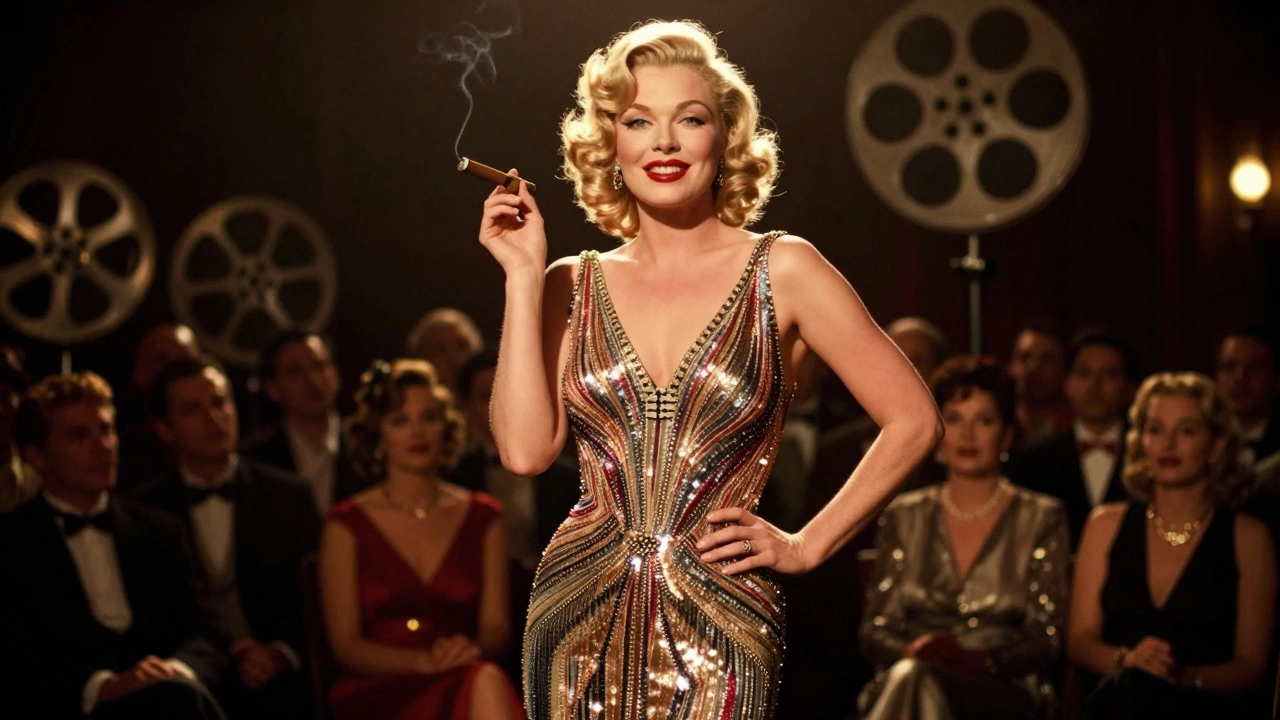
Mae West didn’t just break rules-she rewrote them. In the 1930s, when Hollywood was still clinging to Victorian modesty, she walked onto screens wearing corsets that hugged her curves like armor, delivered lines dripping with double entendre, and made audiences laugh while blushing. She wasn’t just an actress; she was a force. Her voice, slow and smoky, carried confidence that made men lean in and women sit up straight. She once said, ‘When I’m good, I’m very good. But when I’m bad, I’m better.’ That wasn’t just a line-it was her manifesto. And it worked. She turned sexuality into power, not something to hide, but something to own.
Back then, the idea of a woman controlling her own image, especially around sex, was scandalous. Studios tried to censor her. Critics called her vulgar. But audiences flocked to her films. Her 1933 movie She Done Him Wrong made $1.5 million in its first year-equivalent to over $30 million today. And she didn’t need a stunt double or CGI to do it. Just her wit, her posture, and the way she looked at the camera like she knew something you didn’t. If you’re curious about modern interpretations of adult entertainment, you might come across terms like massage escort dubai, but Mae West didn’t need a spa or a private room to command attention. She did it on a movie set, under studio lights, and with nothing but her words.
She Wrote Her Own Lines-And Got Arrested for Them
Mae West didn’t wait for someone to give her a script. She wrote her own. Before she ever stepped in front of a camera, she was a Broadway star, crafting plays that pushed boundaries. Her 1926 play Sex landed her in jail for 10 days. The charge? Obscenity. The truth? She made people uncomfortable because she spoke plainly about desire, power, and choice. Jail didn’t silence her. It made her a legend. When reporters asked her why she did it, she replied, ‘I believe in pleasure. Why should I apologize for being alive?’ That attitude carried into her films. Her characters weren’t victims. They weren’t damsels. They were women who knew what they wanted-and took it.
The Body as a Weapon, Not a Secret
In an era when women were expected to be delicate, Mae West wore gowns that showed off her figure like a sculpture. She didn’t hide behind layers of fabric. She didn’t apologize for her curves. She used them. Her body wasn’t just part of her act-it was her argument. While other actresses were told to look small, she stood tall. While they were told to smile sweetly, she smirked. Her silhouette became iconic. Even today, fashion designers reference her hourglass shape. She didn’t just wear clothes-she weaponized them. And she didn’t need a trainer or a filter. She was built that way, and she owned it.
She Outsmarted the Censors
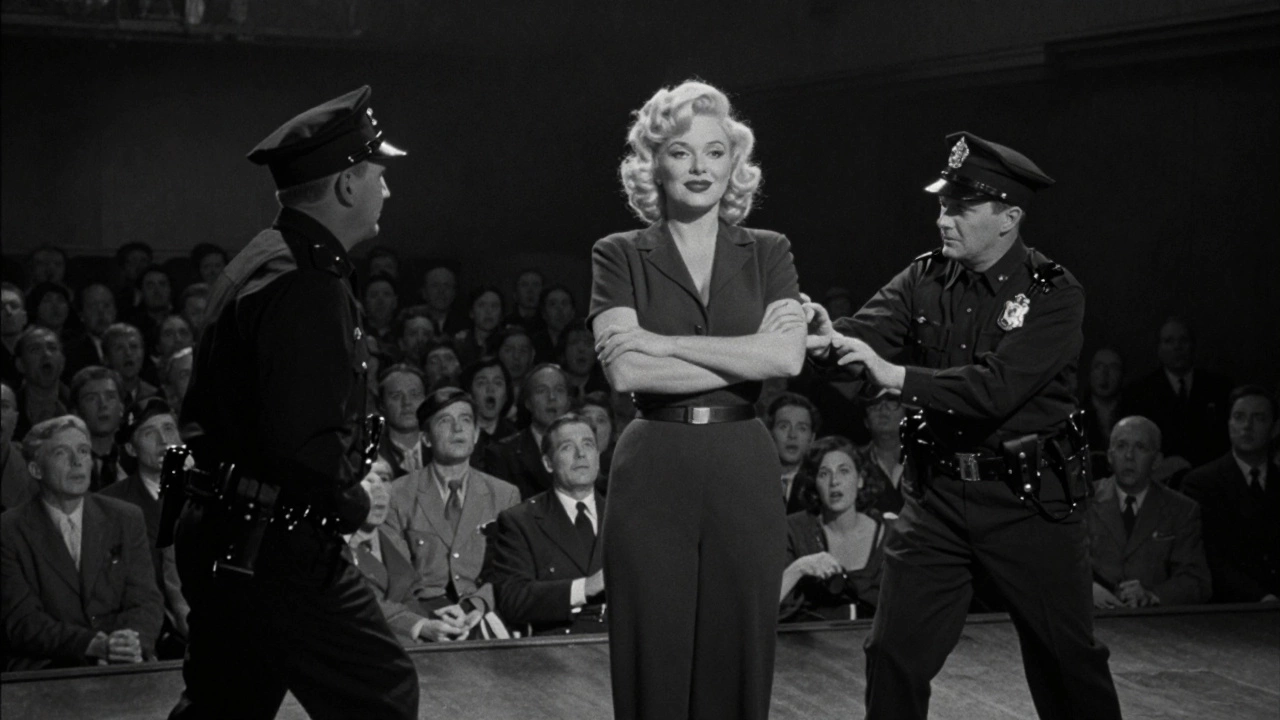
The Hays Code, Hollywood’s strict moral guideline introduced in 1934, tried to shut her down. No more suggestive dialogue. No more ‘indecent’ behavior. But Mae West didn’t stop talking. She got smarter. She used pauses. She used glances. She used silence. A single raised eyebrow could say more than a paragraph of dialogue. Her lines became puzzles-layered with meaning, designed to be heard differently by different people. A man might hear flirtation. A woman might hear liberation. The censors heard nothing they could pin down. That’s how she slipped through. She didn’t break the rules. She made them irrelevant.
Her Influence Still Echoes Today
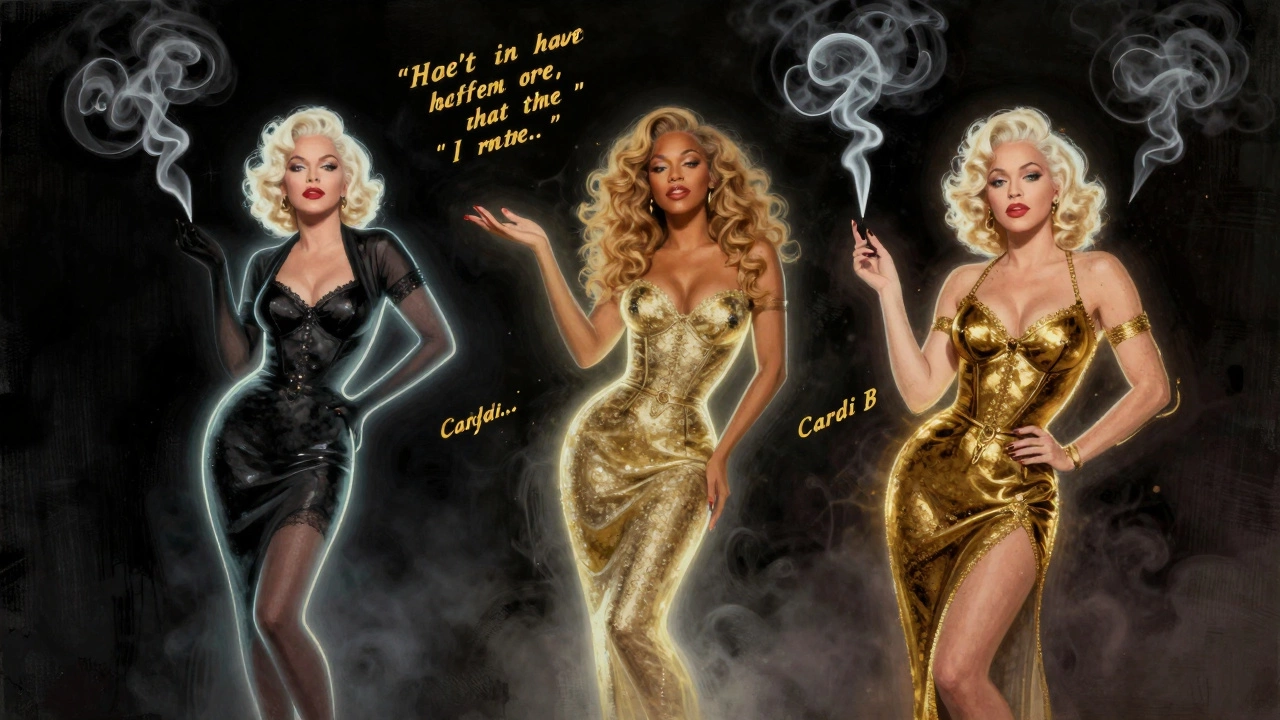
Look at pop stars like Madonna, Beyoncé, or Cardi B. They don’t just borrow from Mae West-they inherit her DNA. The confidence. The control. The refusal to be shamed. Mae West proved that a woman could be sexy and smart, bold and business-savvy. She owned her brand before brands were a thing. She licensed her name for perfume, clothing, and even a line of cigarettes. She turned her image into currency. And she did it without social media, without influencers, without a team of publicists. Just her voice, her face, and her unshakable belief that she mattered.
Even in her later years, when Hollywood tried to push her aside, she didn’t fade. She reinvented herself. She starred in a TV show, recorded albums, and even appeared in a film at age 80. At 82, she said, ‘I’ve had a wonderful life. I’ve never been bored.’ That’s not just a quote. It’s a life philosophy.
Why She Still Matters
Today, we talk about body positivity, female autonomy, and sexual agency. But Mae West lived it decades before the hashtags. She didn’t need a movement. She was the movement. She made people laugh, squirm, and think-all at once. Her legacy isn’t just in old films. It’s in every woman who refuses to shrink herself to make others comfortable. She showed that pleasure isn’t shameful. That confidence isn’t arrogance. That a woman’s body isn’t a public spectacle-it’s her own.
Some might try to reduce her to just a sex symbol. But that’s like calling Picasso just a painter who liked colors. Mae West was a cultural architect. She built a space where women could be loud, lusty, and unapologetic. And she did it without asking permission.
There’s a myth that women today are the first to own their sexuality. That’s not true. Mae West did it before most people even knew how to say the word. And she didn’t just survive the backlash-she thrived because of it. If you think modern adult services like escort massage are about control, you’re missing the point. Mae West didn’t need a client. She had an audience. And she made sure they left remembering her words, not just her figure.
Her final film, Sextette, released in 1978, was a self-parody. She played a woman who had lovers from every corner of the world. Critics called it camp. Fans called it genius. She was 85. She didn’t look like a star from the 1930s. She looked like someone who had lived every moment of it. And she still had the last laugh.
Today, if you scroll through online ads for dubai happy ending, you’ll see a version of desire packaged for convenience. But Mae West’s version was messy, bold, and unapologetically human. She didn’t sell a service. She sold a statement. And that’s why, nearly a century later, people still quote her. Still watch her films. Still admire her.
What She Taught Us About Power
Mae West didn’t need a man to validate her. She didn’t need approval from the church, the studio, or the government. She knew her worth. She didn’t ask for permission to be desirable. She declared it. And that’s the real lesson. Power isn’t about how much you’re allowed to have. It’s about how much you take-and how boldly you hold onto it.
She lived in a time when women were told to be quiet. She chose to be loud. She lived in a time when women were told to be modest. She chose to be magnificent. And she didn’t wait for the world to catch up. She made it follow her.
 Bagaimana sistem perawatan kesehatan di Jerman?
 Chile vs Ecuador: No Record in Latest World Cup Qualifying Data—What We Know Now
 HUNTR/X to Debut 'Golden' on Tonight Show Ahead of 'KPop Demon Hunters'
 Apakah adil bahwa beberapa orang tidak bisa mendapatkan akses ke layanan kesehatan?
 Bisakah saya mendaftarkan merek atas nama yang sudah ada?